


According to the newly released European Electricity Review by the energy think tank Ember, solar power generated 11% of the EU’s electricity in 2024, surpassing coal for the first time. Total electricity generation from fossil fuels in the EU has fallen to a historic low.
Dr. Chris Rosslowe, Senior Analyst and lead author of the report, stated:
“Fossil fuels are steadily losing their position in the EU’s energy mix. When the European Green Deal began in 2019, few believed the EU’s energy transition could progress as fast as it has today; wind and solar power are pushing coal out of the mix and forcing structural declines in gas.”
The European Electricity Review, published by the global energy research organization Ember, provides the first comprehensive overview of the EU’s power system for 2024. The assessment analyzes full-year demand and generation data across all EU-27 countries to understand the region’s progress in transitioning from fossil fuels to clean electricity.
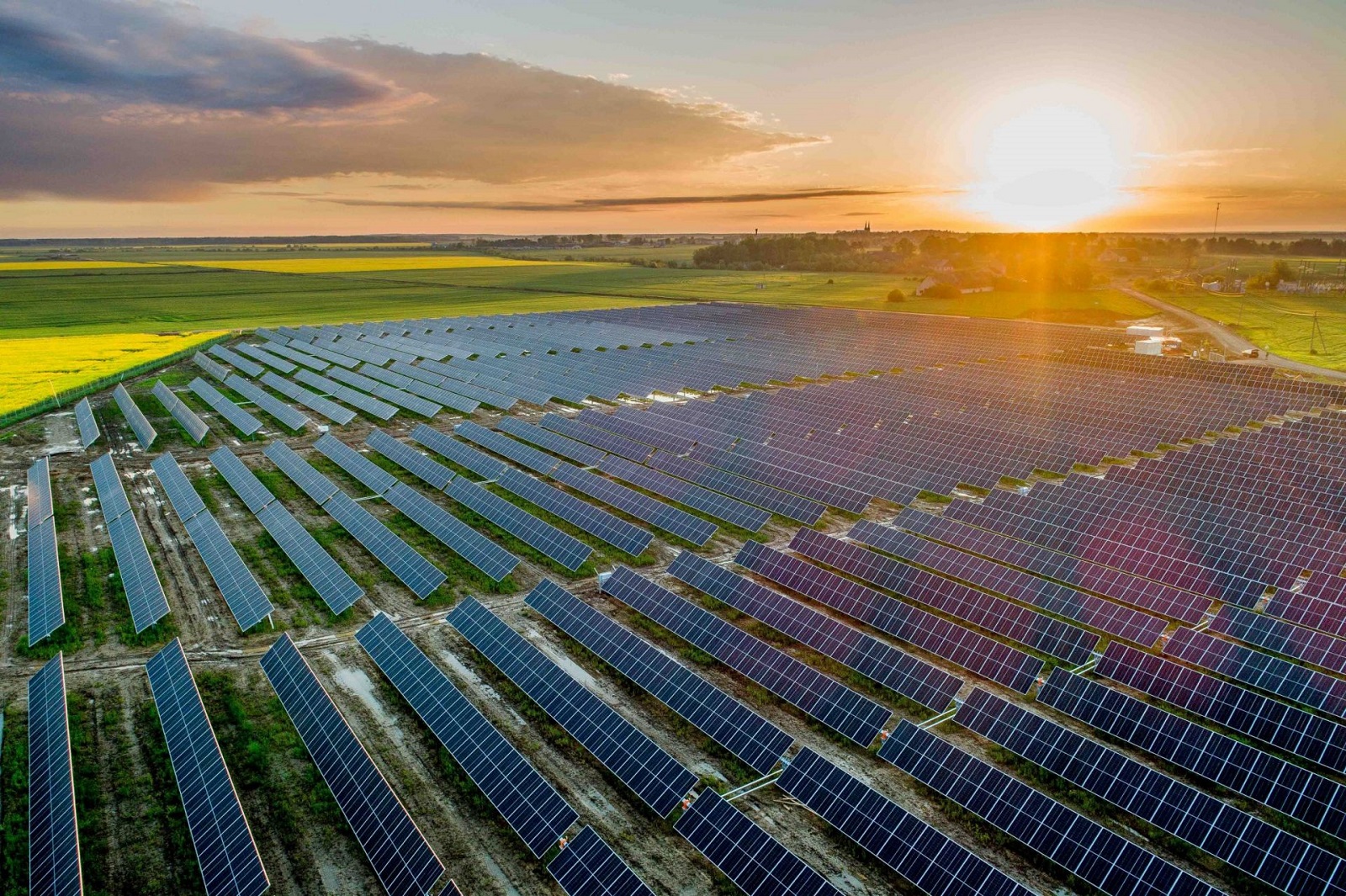 Solar Power Surpasses Coal in Europe for the First Time in 2024
The EU’s electricity sector is undergoing a profound transformation driven by the European Green Deal. Solar power (11%) surpassed coal (10%) for the first time in 2024, while wind power (17%) generated more electricity than gas (16%) for the second consecutive year. Strong solar growth, combined with hydropower recovery, pushed renewables’ share to nearly half of the EU’s electricity output (47%). Fossil fuels generated 29% of EU electricity in 2024. In 2019, before the Green Deal, fossil fuels supplied 39% while renewables supplied only 34%.
These trends are widespread. Solar power is expanding in every EU country, and more than half of EU member states now have no coal power or have coal making up less than 5% of their electricity mix. Coal has fallen from being the EU’s third-largest power source in 2019 to sixth place in 2024. Gas-fired generation also declined for the fifth consecutive year (-6%), even though electricity demand saw a slight recovery (+1%).
The rise of wind and solar has reduced the EU’s dependence on imported fossil fuels and lowered exposure to volatile energy prices since the recent energy crisis. Ember’s analysis shows that without the additional wind and solar capacity added over the past five years, the EU would have needed to import an extra 92 billion cubic meters of fossil gas and 55 million tonnes of coal — costing €59 billion.
Challenges Ahead Despite Rapid Progress
However, Dr. Rosslowe emphasized that despite faster-than-expected progress over the past five years, the EU’s electricity transition cannot be taken for granted. Deployment must accelerate, particularly in the wind sector, which faces specific challenges and a widening supply gap. From now to 2030, annual additions of wind power need to double compared to 2024 levels. Still, achievements over the past five years build confidence that with sustained momentum and commitment, the EU can overcome challenges and secure a safer energy future.
Dr. Beatrice Petrovich, Senior Analyst at Ember, added:
“The EU is moving closer to a clean-energy future powered by domestically generated wind and solar. This new energy system will reduce the bloc’s vulnerability to fossil fuel price shocks, address the climate crisis, and provide affordable energy for households and businesses. Timely policy action to sustain growth in wind and solar, speed up flexible clean energy deployment, and accelerate electrification will safeguard the EU’s competitiveness.”
Jacopo Tosoni, Head of Policy at the European Association for Storage of Energy (EASE), shared:
“Europe’s competitiveness is closely tied to the rapid deployment of clean and flexible energy solutions, paving the way for sustainable and affordable power. It is no surprise that renewables and energy storage are becoming the backbone of the energy transition.”


